作者: 钟蓝迪 | SEE Author: Landi Zhong;
三个男孩的妈妈(7、9、11岁)| Mother of three boys aged 7, 9, and 11;
居住地 | Location: Ames, Iowa, United States
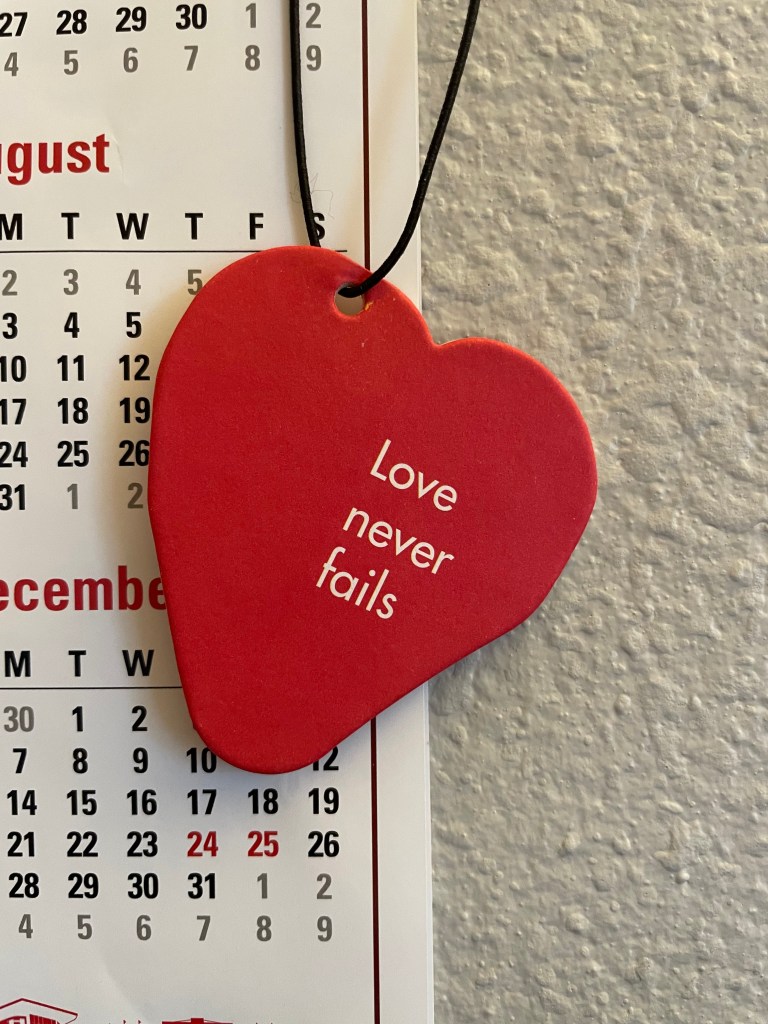
钟蓝迪专栏文章:用“膝盖”来养育我们的孩子 Landi Zhong Essay: Raising Our Children on Our Knees
2026年5月5日 May 5, 2026
我的爸爸很疼爱我。在我小的时候,他常常说:“我巴不得把我的头摘下来给你。”因为他希望我头脑里的知识更多、懂得更多。这是一种我当时难以完全理解的爱,是一种甚至愿意为我付上生命的爱。My father loved me deeply. When I was little, he often said, “I wish I could take my head off and give it to you,” because he wanted me to have more knowledge and understanding. At the time, it was a kind of love I could not fully comprehend—a love willing even to give up his own life for me.
如今我也成了三个孩子的妈妈,才渐渐明白爸爸当年的心。这个世界上,大多数父母都愿意在力所能及的范围内为孩子付上一切,甚至赴汤蹈火,把最好的给他们。然而,我也越来越承认,人的爱是何等有限!有时候我们以为是在爱孩子,实际上却可能在不知不觉中,把他们带向错误的方向。Now that I am a mother of three, I have gradually come to understand my father’s heart. In this world, most parents are willing to give everything they can for their children—to go through fire and water to offer them the very best.
And yet, I have come to realize more and more how limited human love truly is. Sometimes we think we are loving our children, but without realizing it, we may actually be leading them in the wrong direction.
这几年,我越来越感受到圣经中那位上帝的爱远远超过人的爱。祂的爱是无限宽广的,是完全舍己的爱,是牺牲的爱。祂用自己的生命,为我们的罪付上代价,遮盖我们的过犯,使我们可以重新回到祂的面前。这爱不是停留在言语中,而是真实地成就了极大的救恩!In recent years, I have increasingly come to experience that the love of God in the Bible far surpasses human love. His love is boundless, selfless, and sacrificial. He gave His own life to pay the price for our sins, to cover our transgressions, so that we could return to Him. This love is not merely words—it has accomplished a great salvation.
有一个事实,就是我们实在是活在一场真实的属灵争战中。正如 彼得前书5:8 所说:“务要谨守,警醒;因为你们的仇敌魔鬼,如同吼叫的狮子,遍地游行,寻找可吞吃的人。”仇敌想要吞吃我们的心,也想要夺走我们的孩子。我们实在不愿意,在不经意之间,让自己和孩子的灵魂落入牠的网罗。There is a reality we cannot ignore: we are living in a real spiritual battle. As it says in 1 Peter 5:8, “Be alert and of sober mind. Your enemy the devil prowls around like a roaring lion looking for someone to devour.”
The enemy seeks to devour our hearts and take hold of our children. We certainly do not want, unknowingly, for ourselves or our children to fall into his trap.
在今天这个世代,我们孩子所面对的挑战,往往比我们小时候更加得复杂,也更加得隐蔽。圣经上也说,我们是生活在“末后的世代”之中。各种各样的信息泛滥,很难理清的混乱的价值观,网络世界各种的影响,还有来自同侪的压力,再加上每一个孩子内心深处的焦虑和孤独,这些很多很多都是我们做父母的未必能完全看得见、也未必真正理解的。我们以为问题在外在,却常常触不到他们里面真实的挣扎。正因如此,我们更需要承认自己的有限,把孩子带到那位什么都知道、也一直在掌权的上帝面前。In today’s generation, the challenges our children face are far more complex and subtle than those we experienced growing up. The Bible also tells us that we are living in the “last days.” There is an overwhelming flood of information, confusing and conflicting values, the powerful influence of the online world, peer pressure, and the hidden anxiety and loneliness within each child. Much of this, as parents, we cannot fully see or completely understand. We often think the problem is external, but fail to reach the deeper struggles within their hearts.
Because of this, we must acknowledge our limitations and bring our children before God—the One who knows all things and reigns over all.
很多时候,我们以为最重要的是把孩子“教好”,于是我们的眼目常常停留在他们的行为、成绩、习惯和表现上;却忽略了一个更深的事实:如果我们不为孩子好好祷告,他们可能暴露在属灵的破口之中。外面看似一切正常,里面却没有真正的遮盖和保护。我们努力用自己的方法去塑造孩子,却忽略了,真正能守护他们生命和灵魂的,是上帝的恩手。Many times, we think the most important thing is to “raise our children well,” so we focus on their behavior, academic performance, habits, and outward conduct. Yet we may overlook a deeper truth: if we do not faithfully pray for our children, they may be left exposed in unseen spiritual vulnerabilities. Outwardly, everything may seem fine, but inwardly there may be no true covering or protection. We try to shape our children with our own methods but forget that it is ultimately God’s hand that guards their lives and souls.
这是一场必须用我们的膝盖来打的仗!唯有跪下来,我们作为父母需要认识到自己的渺小,我们每一天应该来到主面前,求主来改变我们父母自己,并且切切地为我们的孩子祷告,把孩子一个一个带到神面前,为他们的心、他们的灵魂、他们的未来守望。唐崇荣牧师曾分享,他的母亲在早年守寡,却每天清晨五点钟就跪在神面前,为每一个孩子“提名”祷告。后来,她的孩子们都成为敬虔爱主的人。这肯定不是偶然,这是在天上的奇妙恩典的工作,这是祷告的美好果子!This is a battle that must be fought on our knees. Only when we kneel do we, as parents, recognize our own smallness. Each day, we need to come before the Lord, asking Him first to change us, and then earnestly praying for our children—bringing them one by one before God, interceding for their hearts, their souls, and their future. Pastor Stephen Tong once shared that his mother, after becoming a widow early in life, would rise at five o’clock every morning to kneel before God and pray for each of her children by name. Later, her children all grew to become godly people who loved the Lord. This was no coincidence—it was the wonderful work of God’s grace, the beautiful fruit of prayer.
因此,我们更要相信,我们在天上的阿爸父,祂比地上的父母更爱我们,祂也比我们更爱我们的孩子。愿上帝亲自成为我们的孩子的遮盖与保护,在每一个看不见的地方托住他们,引导他们,使他们一生走在祂的道路中!Therefore, we must believe that our Heavenly Father loves us more than any earthly parent ever could—and He loves our children even more than we do. May God Himself be their covering and protection, sustaining them in every unseen place, guiding them so that they may walk in His ways all the days of their lives.
钟蓝迪专栏文章:成功的重新定义 Landi Zhong Essay: Redefining Success
2026年4月14日 April 14, 2026
有一个西班牙作家说,我们走得太快了,把灵魂丢在后面。人好像一直在往前奔跑,有目标、有结果、有收获,看似也越来越成功。但有时候我会忍不住问:如果灵魂被丢掉了,这样的成功,还算成功吗?A Spanish writer once said that we are moving so fast that we leave our souls behind. We keep running forward with goals, results, and achievements,and it all looks like success. But sometimes I can’t help asking: if we lose our soul along the way, is that really success?
我越想就觉得很可怕,很绝望。The more I think about it, the more frightening—and even hopeless—it feels.
我们从小被教导,要成为一个“有用的人”。我也是这样想的,希望自己做的事有意义。但我慢慢开始发现一个问题:这个“有用”,是谁在定义呢?Since childhood, we’ve been taught to become “useful” people. I believed that too—I wanted my life to matter. But slowly I began to realize something: who defines what “useful” really means?
教会里有一个三十多岁的唐氏女孩,常常坐在我不远的地方。以前我看到她,会不自觉地产生怜悯,我担心她的生活、她的未来,也会想她能做什么呢。但有一天,这种想法突然被打断了。There is a woman in her 30s with Down syndrome in our church. She often sits not far from me. Whenever I saw her before, I couldn’t help but feel pity. I worried about her life, her future, and what she could do. But one day, something in me shifted. I saw her standing on stage, worshipping with the choir.
那天我看见她站在台上,和诗班一起带领敬拜。她一边唱诗,一边用手语比划诗歌的内容,她很自然地对人微笑,也很愿意拥抱别人。她每一个微笑都是那么动人,她每一个拥抱都是那么真诚!She was singing while expressing the lyrics with sign language. She smiled so naturally and hugged people so freely. Every smile was so moving. Every hug was so genuine.
那一刻我很真实地感受到,她里面对神的爱,是那么的美,那么的单纯! 我真是觉得她的内心圣洁而干净。In that moment, I truly felt something—her love for God was so pure, so beautiful and clean.
如果用世界的标准,她可能永远不会被称为“成功的人”。但在神的眼中,她的生命,可能比许多“成功的人”,更有意义。By the world’s standards, she might never be called “successful.” But in God’s eyes, her life may carry far more meaning than many who seem successful.
圣经在 提摩太后书 里说:在大户人家,不但有金器银器,也有木器瓦器;有作为贵重的,有作为卑贱的。人若自洁,脱离卑贱的事,就必作贵重的器皿,成为圣洁,合乎主用,预备行各样的善事。The Bible says in 2 Timothy: In a large house there are articles not only of gold and silver, but also of wood and clay; some are for special purposes and some for common use. Those who cleanse themselves will be instruments for special purposes, made holy, useful to the Lord.
这段话提醒我:在人的家里,我们很自然会去看,材料好不好,学历高不高,聪不聪明,品格如何,赚多少钱,做成了什么。但在神的家里,祂看的却不是这些。祂看重的是,这个人是否被洁净,是否得着耶稣,是否活在祂里面,是不是穿上了祂的义袍,是不是愿意被祂使用?This reminds me: In the world, we look at credentials, intelligence, character, income, and achievements. But in God’s house, He looks at something completely different—whether a person is cleansed, whether they know Jesus, whether they live in Him, and whether they are willing to be used by Him.
这样一想,我也常常被提醒:我们一直努力想成为一个“有用的人”,但更重要的,是在神的家里,我们是不是一个“合乎主用”的人。This reminds me again and again: We strive to be “useful,” but what truly matters is whether we are useful in God’s eyes.
写到这里,我也常常想到孩子,忧愁孩子们未来。如果我对“成功”的定义没有改变,我很自然就会用世界的标准去看他们——成绩、表现、是否优秀。有时候,看着别人家的孩子“那么优秀”,我会不自觉陷入“鸡娃”的心态,甚至不是因为孩子真的需要,而是因为我不想他们输在起跑线上。As I write this, I can’t help but think about children—and worry about their future. If my definition of success hasn’t changed, I will naturally evaluate them by worldly standards—grades, performance, achievements. Sometimes, seeing other children excel, I fall into the pressure of pushing my own child—not because they truly need it, but because I don’t want them to fall behind.
我们到底是在用神的眼光看他们,还是在用世界的标准焦虑他们?Are we seeing them through God’s eyes, or are we measuring them through the world’s standards?
我们自己作为父母,首先需要找到属于自己的位置。而作为父母的责任,是帮助孩子找到属于他们的位置。我们要帮助孩子成长,拥有一颗健康的灵魂,一颗能够托住他们生命一切的灵魂。Parents must first find their own place. And our responsibility is to help our children find theirs. We want them to grow with a healthy soul—a soul strong enough to carry their entire life.
而这样的健康灵魂,不是从自己而来的,而是从天上赐下的。But this kind of soul does not come from ourselves, it comes from above.
想到一句经文:“人若赚得全世界,却赔上自己性命,又有什么益处呢?” I’m reminded of this verse: “What good is it for someone to gain the whole world, yet forfeit their soul?”
我对成功的定义,已经在悄然改变了。盼望我们的灵魂和孩子们的灵魂,能在神里面被托住,生命被更新。我想,这才是真正的成功。My definition of success is quietly changing. I hope that both our souls and our children’s souls can be held firmly in God and renewed. I believe, this is what true success looks like.
钟蓝迪专栏文章:给孩子更多留白时间 Landi Zhong Essay: More Free Time for Children to Grow
2026年3月 March, 2026
我现在越来越相信一件事,无心插柳柳成荫,强扭的瓜不甜。More and more, I have come to believe something: things often grow naturally when we stop forcing them.
我从小是补课长大的。我记得从三年级开始,我就再也没有属于自己的星期六了,全部被奥数、英文、写作,甚至语文这些课外课占满了。I grew up surrounded by extra tutoring classes. From the third grade on, I no longer had Saturdays that belonged to me. They were filled with Olympiad math, English, writing, and even extra Chinese classes.
最关键的是,我们周末本来就有作业,我真不知道自己是怎么幸存下来的。本来还挺热爱学习的我,最终在学习里找不到任何乐趣。The most exhausting part was that we already had homework for the weekends. I honestly don’t know how I survived that time. As a child, I actually loved learning, but eventually I found no joy in it anymore.
我从小很喜欢数学、科学,但小时候的学习太像机器人了。有时候回想童年,我也不记得自己是怎么学着学着就什么也不爱了。I loved math and science when I was young, but the way we studied felt almost robotic. Sometimes when I look back on my childhood, I can’t even remember how I slowly went from loving things to not loving anything at all.
现在我已经有了自己的孩子,但仍然还在治愈自己这样的童年阴影。Now I have children of my own, yet I still find myself healing from the shadows of that kind of childhood.
我有三个男孩,我惊奇地发现他们有完全不同的性格。在教会里事奉、看孩子的时候,我也发现每一个孩子都有各自的美。我常常感叹上帝创造的奇妙:每一个不同的孩子,就像我们十根手指上的指纹一样,都是那么不一样。I have three boys, and I am constantly amazed by how different their personalities are. While serving in church and spending time with children, I have also come to see that every child carries their own unique beauty. I often marvel at the wonder of God’s creation: each child is different, just like the fingerprints on our ten fingers—no two are the same.
他们每个人都不同,喜欢的东西也不一样;他们也需要属于自己的时间去探索。Each of my boys is different. They like different things, and they all need their own time to explore.
我们很容易用信息摄入量来衡量成长速度,但我认为真正的成长发生在深度思考的沉默里。We often measure growth by how much information someone takes in, but I believe true growth often happens in the quietness of deep thinking.
前几年,我们给孩子安排了很多活动,比如钢琴课、童子军,还有篮球比赛等等。那段时间,我们家每天都非常忙碌。A few years ago, we arranged many activities for our children—piano lessons, Scouts, basketball games, and more. During that time, our family life was extremely busy.
每天在门口催促孩子们出门的时候,我看到他们脸上不情愿的表情,也看到自己疲惫不堪的状态。在这样的环境下,我们都变得很容易暴躁。Every day, as I stood at the door urging the kids to hurry out, I could see the unwilling expressions on their faces, and I could feel my own exhaustion. In that kind of environment, all of us became easily irritated.
那一刻我突然意识到,我和孩子之间的关系变得有些疏远了。我们全家在一起吃饭的时间减少了,在一起有质量的谈话也变少了。而孩子们在这样忙碌的生活里,好像也不知道自己到底在忙些什么。At one point, I suddenly realized that the relationship between me and my children had grown distant. We spent less time eating together as a family, and we had fewer meaningful conversations. In the midst of such a busy life, the children themselves didn’t even seem to know what they were so busy for.
今年,我们决定慢下来。我们取消了很多活动,只保留了钢琴课。留下钢琴,是因为希望他们能够在音乐中享受过程。而且我也不催促他们练习钢琴,只让他们按照自己的意愿去练习。This year, we decided to slow down. We canceled many activities and kept only piano lessons. We kept piano because we hoped they could enjoy the process of music. I also stopped urging them to practice and simply let them play when they wanted to.
在这个过程中,我发现了一件很有意思的事情。特别是我十一岁的老大,他开始给自己设立新的目标,主动去探索自己想学的东西。During this time, I noticed something very interesting. My oldest son, who is eleven, began setting new goals for himself and exploring things he truly wanted to learn.
比如,他对编程很感兴趣,好奇怎么做 App,于是就开始自己自学。他也非常喜欢魔方,希望能用更快的手法解开 3×3 魔方,所以花了很多时间自己练习。哥哥的兴趣也带动了两个弟弟,他们三个孩子最近真的非常热衷于解魔方。For example, he became interested in programming and started wondering how apps are made, so he began teaching himself. He also loves the Rubik’s Cube and hopes to solve the 3×3 cube faster, so he spends a lot of time practicing. His interest has influenced his two younger brothers, and recently the three of them have become very enthusiastic about solving cubes.
我并不是一定要看到他们在这些事情上取得多么了不起的成绩,这也不是我们追求的目标。但我能在孩子身上看到一种自发的、对新事物的热情和好奇,这种 热情 是前几年没有的。这也是为什么我越来越觉得,“留白”的时间对孩子来说是那么重要。I am not looking for them to achieve anything extraordinary in these things—that has never been our goal. But I can see in them a kind of spontaneous curiosity and enthusiasm for new things, something that I rarely saw a few years ago. That is why I increasingly feel that “unstructured time” is so important for children.
我们常常以为获得更多信息就能带来更多成长,也能消除成长中的不确定性。有时候我也以为那样能拓宽自己的知识,但人也很容易在无数信息中迷失自己。We often assume that gaining more information will automatically lead to more growth and help eliminate the uncertainties of growing up. Sometimes I thought that way too, believing that more information could expand our knowledge. But it is also easy for people to lose themselves in an endless stream of information.
我们人的时间和精力是有限的。我们的身体就像一个房间,如果一天无数个小时都在杂乱中不断堆积物品,我们也很难在这些杂乱无章的东西中找到真正有用的东西。Our time and energy are limited. Our minds are like a room: if we keep piling things into it hour after hour, it becomes difficult to find what is truly valuable among all the clutter.
给孩子更多空白时间,其实也是给他们更多整理“杂物”的时间,也给他们思考的空间,让他们慢慢发现自己到底对什么感兴趣。Giving children more empty space in their schedule is actually giving them time to sort through those “things.” It gives them space to think, and slowly discover what they are truly interested in.
更加重要的,是我们做父母的,也需要学习慢下来。不再被一件件堆积的事情推着走,而是学习在恩典中陪伴孩子的日子里,更多明白上帝的旨意。Even more importantly, we as parents also need to learn to slow down. Instead of being pushed forward by an endless list of things to do, we learn to accompany our children in grace and gradually understand God’s will in these days of parenting.
正如圣经所说:“你们要休息,要知道我是 神!” ——诗篇 46:10
As the Bible says:“Be still, and know that I am God.” — Psalm 46:10
也许在这样的安静与留白里,孩子会慢慢找到自己的方向;而我们做父母的,也能重新看见上帝在他们生命中的带领。Perhaps in this quietness and space, children will slowly find their own direction. And we, as parents, may once again see God’s guidance in our lives.
About SEE Parent Stories
SEE家长故事 是一个呈现SEE社区家长声音的栏目。我们分享来自世界各地家长与教育工作者的真实经历与反思,记录他们在日常生活中陪伴孩子成长的探索。育儿没有标准答案,每个家庭都有自己的价值与挑战。我们希望通过这些故事,营造一个彼此学习与启发的空间,帮助家长思考如何培养孩子的好奇心、品格与学习热情。SEE Parent Stories is a column featuring voices from the SEE community. We share real experiences and reflections from parents and educators navigating everyday parenting. There is no single formula for raising children. Through these stories, we aim to create a space for learning, encouragement, and reflection on how families nurture curiosity, character, and a love of learning.
我们也诚挚邀请SEE社区的家长与伙伴投稿。无论是关于学习、在家学习、兴趣培养、择校思考,还是日常生活中的点滴时刻,都可能为他人带来启发。如果您愿意分享,我们欢迎真实、深入、富有思考的育儿故事与发现。We warmly invite parents and caregivers to contribute. Whether about homeschooling, supporting interests, school choices, or everyday learning moments, your story can inspire others. We welcome honest, thoughtful reflections and meaningful discoveries.
Submit Your Essay by Emailing Dr. Danty Yin: danty.yin@gmail.com OR danty.yin@mysunflower.org. To express our gratitude, we will provide a small gift for your contributions.

